
Convert Your Photo to Traditional Chinese Art Style with AI
Transform photos into beautiful traditional Chinese painting (guohua) style with ink washes, delicate brushstrokes, and rice paper textures. AI-powered art in seconds.
Upload your image
Customise (optional)
Sign in to generate images
Credits start at $3 for 10 images
Before & After
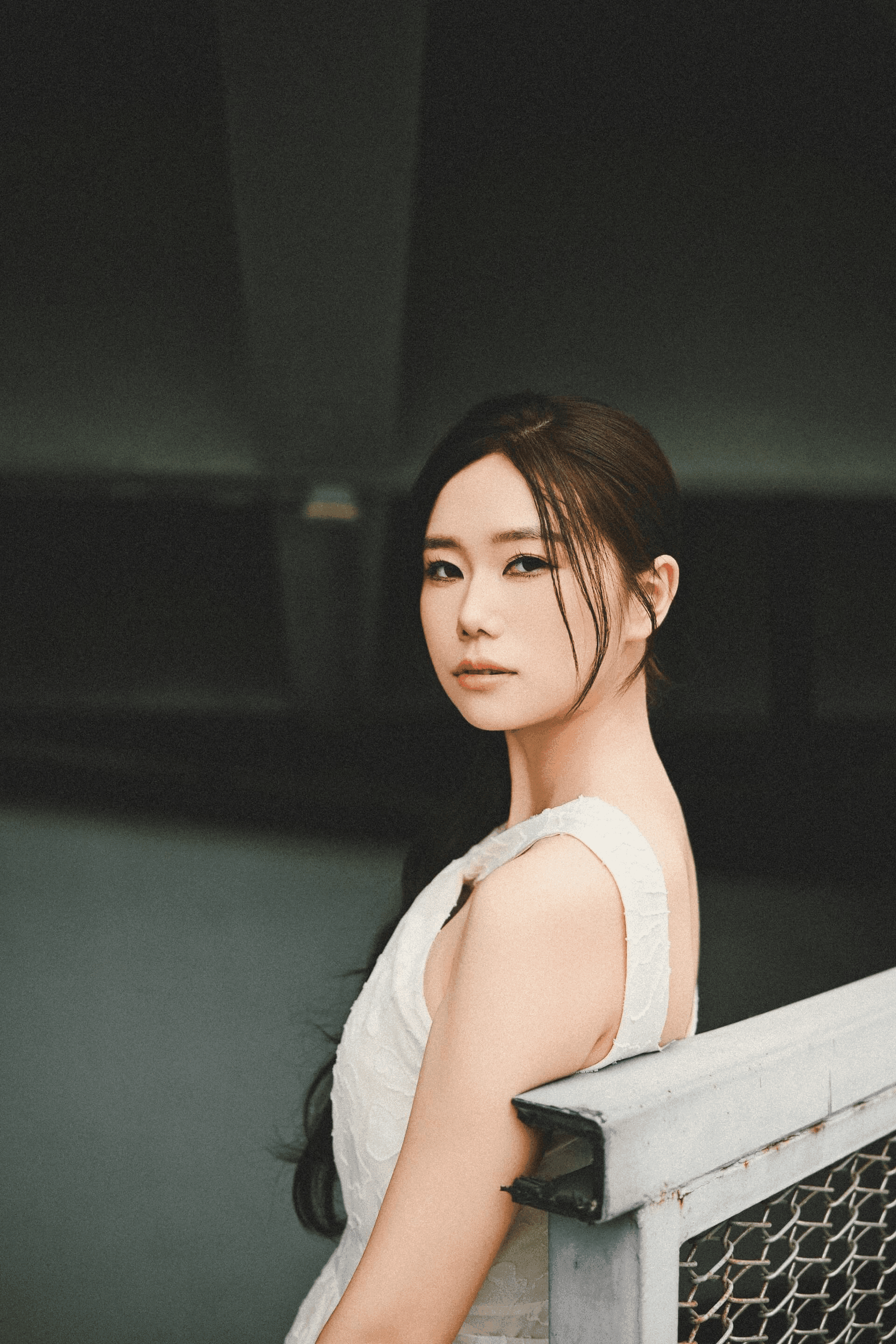
Before
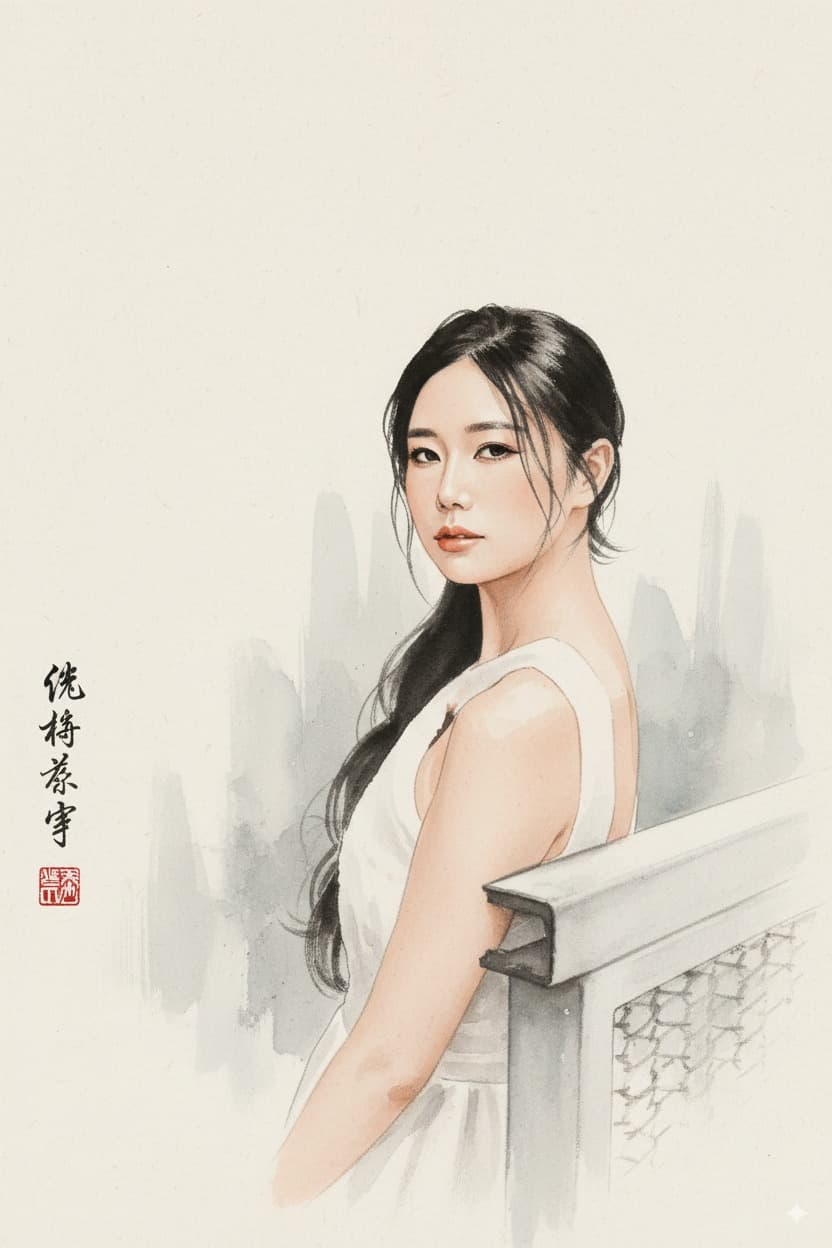
After
How to Use the Chinese Art Filter
Upload Photo
Upload any photo from your device
Select Chinese Art
Choose this style from the selector
Generate
Click generate and wait a few seconds
Download
Download your transformed image
About the Chinese Art Style
Chinese painting, known as guohua, is one of the oldest continuous artistic traditions in the world, spanning over two thousand years. Its foundations lie in the philosophical traditions of Taoism, Confucianism, and Buddhism, which emphasize harmony with nature, spiritual cultivation, and the expression of inner truth through art. The earliest surviving Chinese paintings date to the Warring States period (475-221 BCE), found on silk and lacquerware. During the Tang Dynasty (618-907 CE), figure painting reached extraordinary heights, while the Song Dynasty (960-1279 CE) is widely regarded as the golden age of Chinese landscape painting, with masters like Fan Kuan and Guo Xi creating monumental works that captured the vastness and spiritual depth of mountains and rivers. Chinese painting employs a distinctive set of materials and techniques: ink and watercolor on rice paper or silk, applied with flexible brushes that allow for an enormous range of expression, from bold, sweeping strokes to the finest details. The Six Principles of Chinese Painting, articulated by Xie He in the 5th century, remain influential, emphasizing spirit resonance, structural brushwork, and fidelity to nature. Unlike Western painting traditions that developed linear perspective and photorealistic rendering, Chinese painting prioritizes atmospheric perspective, empty space (known as "留白"), and the poetic suggestion of form over literal depiction.
Tips for Best Results
- ✓Photos with simple, uncluttered backgrounds convert best to the ink wash aesthetic.
- ✓Portraits with natural, relaxed poses produce the most harmonious Chinese art compositions.
- ✓Subjects wearing flowing or loose clothing complement the elegant brushstroke style.
- ✓Side profiles and three-quarter views create especially striking ink painting compositions.
Best Photo Types
Use Cases
- •Creating elegant art prints with a classical Eastern aesthetic
- •Designing unique greeting cards or invitations with cultural flair
- •Making artistic profile pictures that stand out with traditional beauty
- •Producing decorative wall art combining personal photos with Chinese painting style
Credits start at $3 for 10 images or 1 video
Frequently Asked Questions
What is guohua and how does it differ from other art styles?
Guohua (Chinese painting) uses ink and watercolor on rice paper with expressive brushstrokes. Unlike Western painting that emphasizes photorealism and linear perspective, guohua prioritizes atmospheric depth, empty space, and poetic suggestion of form. The result has a serene, contemplative quality unique to this tradition.
Will Chinese calligraphy or characters be added to my image?
Yes, the AI may add Chinese characters, symbols, or calligraphy elements to enhance authenticity. These are decorative additions inspired by the tradition of inscribing poems or seals on Chinese paintings.
Does this style work for non-portrait photos?
Absolutely. Landscape and nature photos translate beautifully into the Chinese painting style, as landscape painting (shanshui) is one of the highest forms of guohua. Mountains, water, trees, and architecture all work exceptionally well.
What gives the result the rice paper texture?
The AI simulates the absorbent quality of rice paper (xuan paper), which creates the characteristic soft edges and gentle ink bleeding effects seen in traditional Chinese painting. This texture is applied as a background layer to the entire image.
Can I get a colored result or is it only ink wash?
The transformation includes harmonious natural tones alongside the ink work. Traditional Chinese painting uses both monochrome ink washes and colored pigments, so your result will have subtle, natural color tones layered with ink-style outlines and shading.
Related Styles
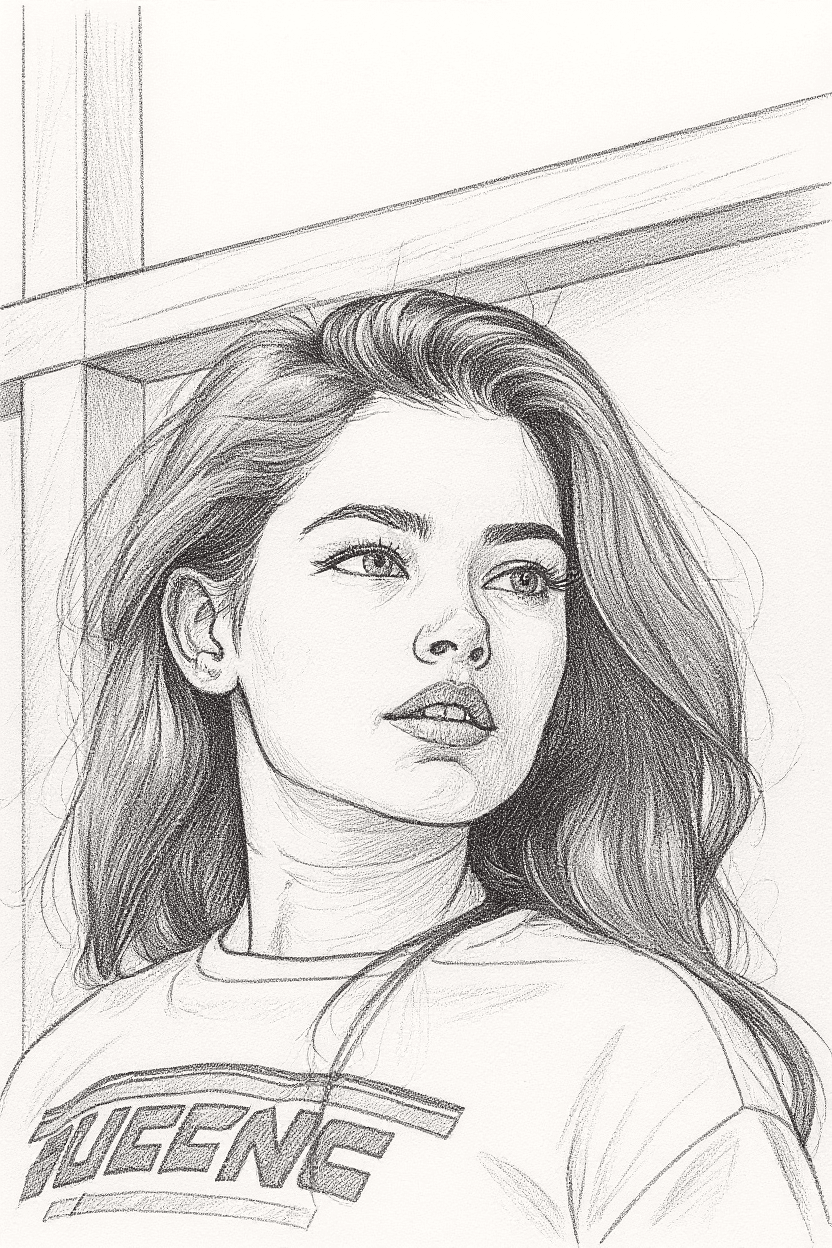
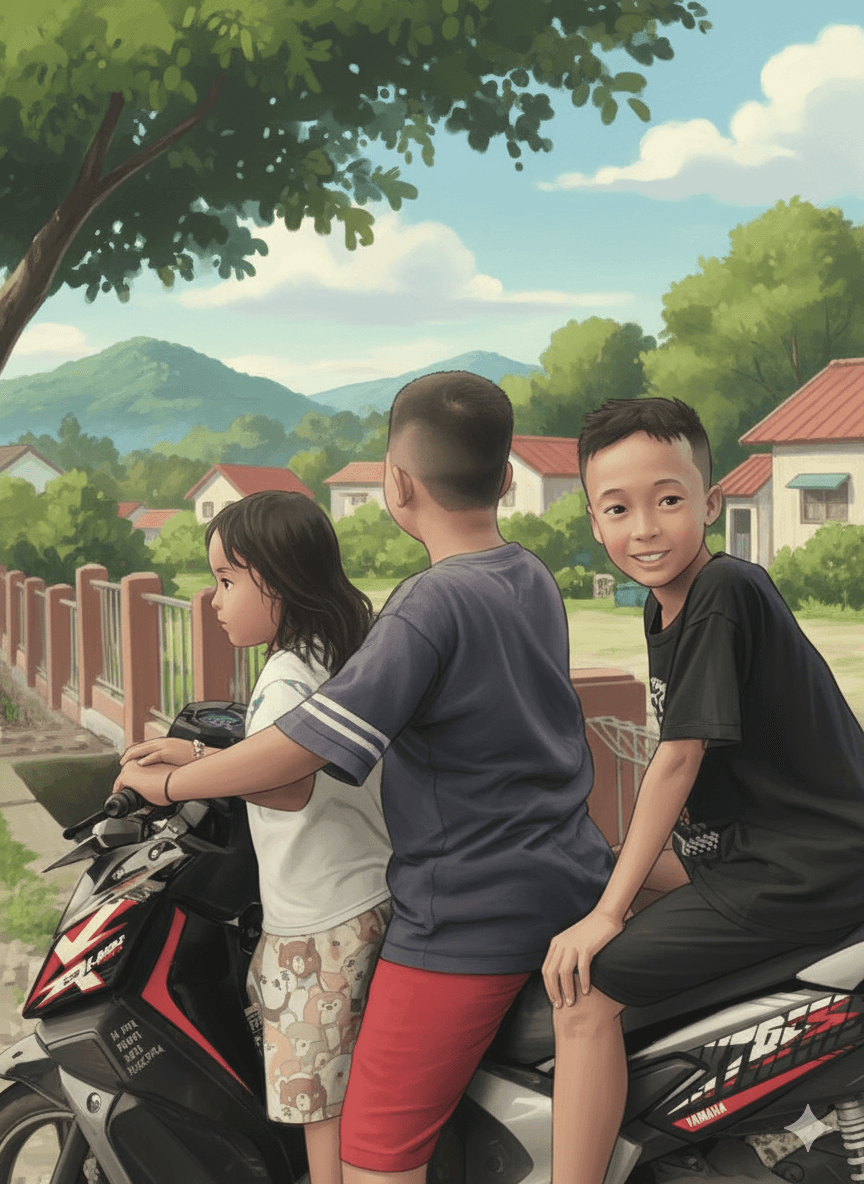
Ready to transform your photos?
Credits start at $3 for 10 images or 1 video