
Convert Your Photo to a Pencil Sketch with AI
Transform any photo into a detailed black-and-white pencil sketch with realistic linework, soft shading, and crosshatching. AI-powered sketch conversion in seconds.
Upload your image
Customise (optional)
Sign in to generate images
Credits start at $3 for 10 images
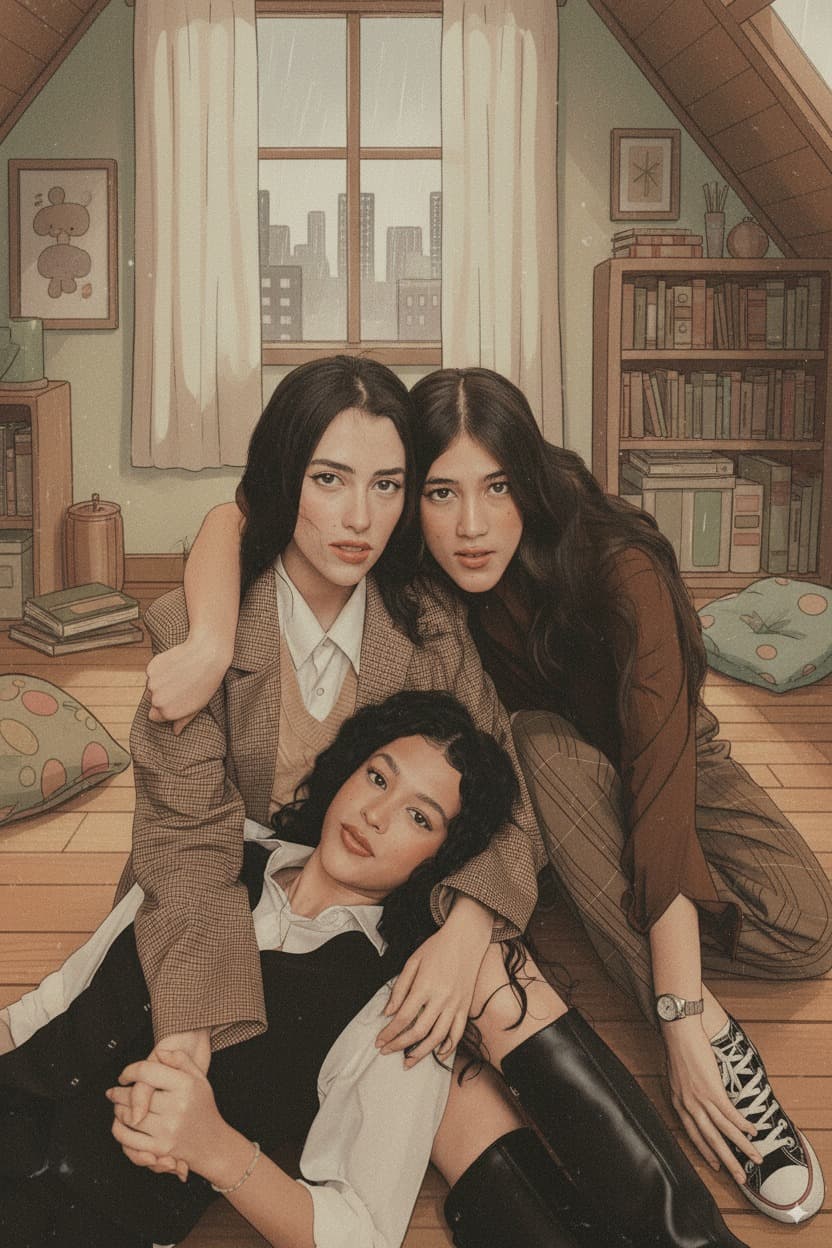
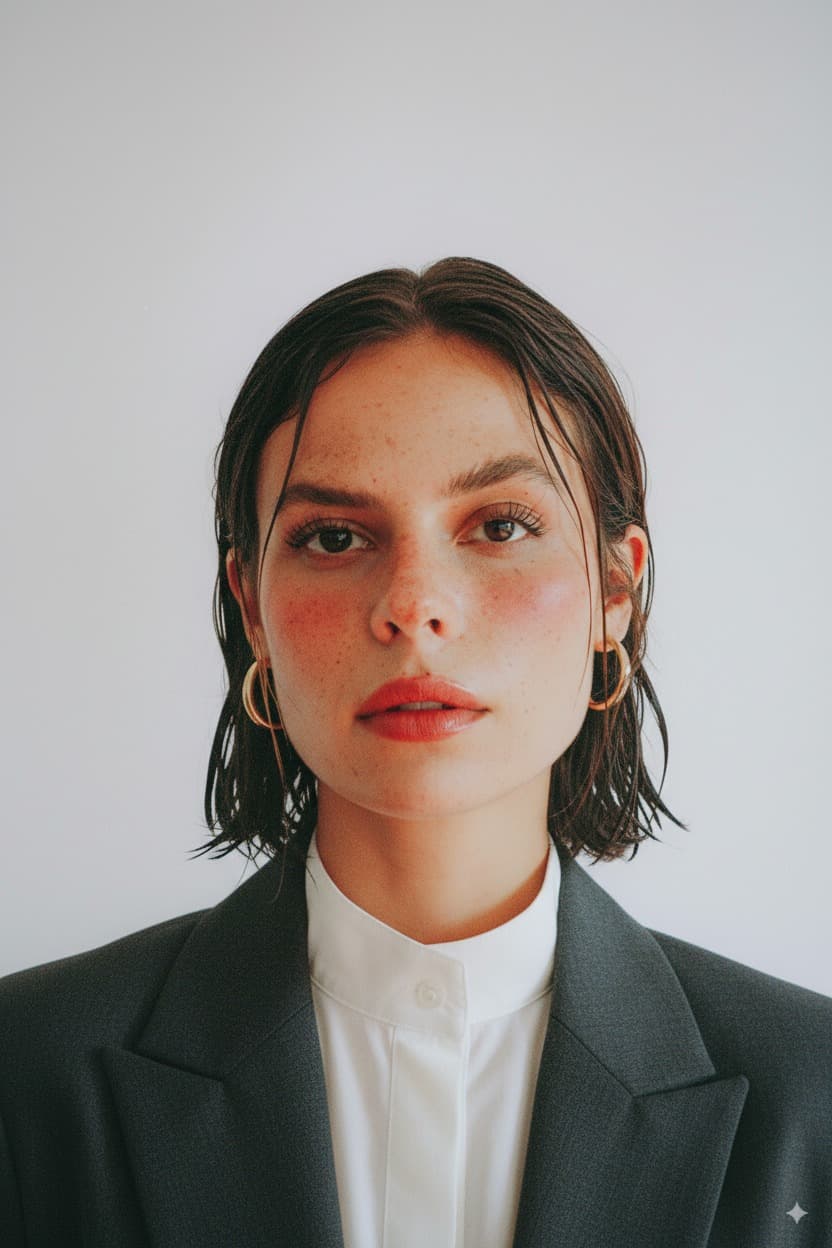
Before & After
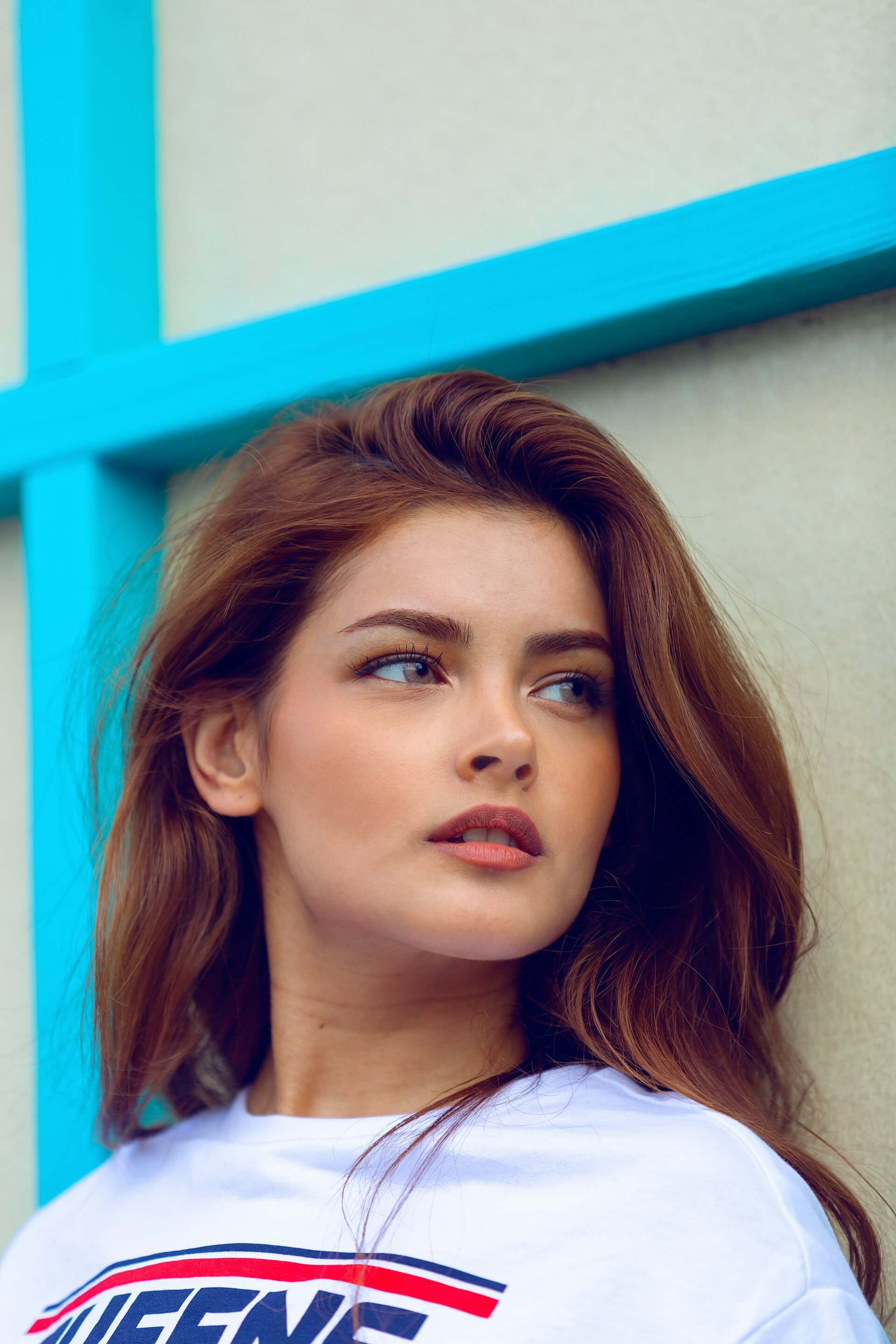
Before
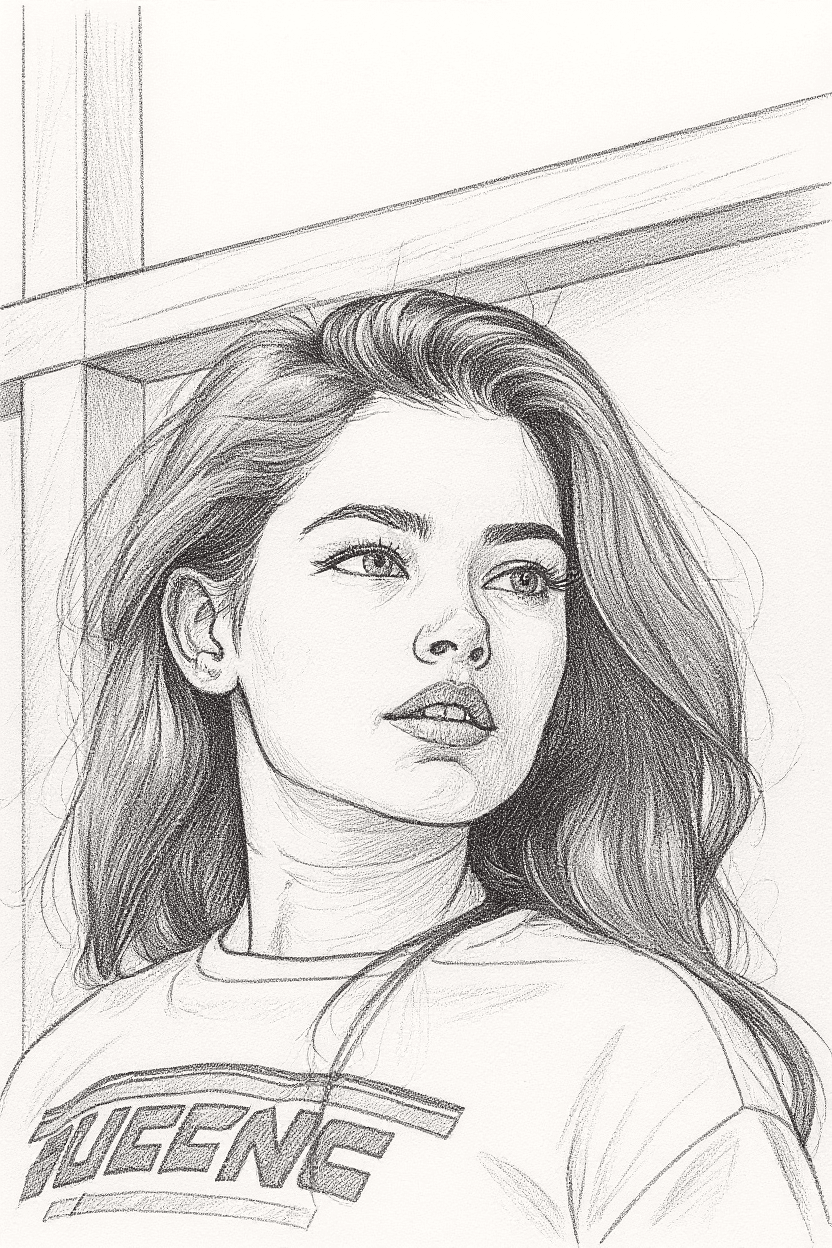
After
How to Use the Pencil Sketch Filter
Upload Photo
Upload any photo from your device
Select Pencil Sketch
Choose this style from the selector
Generate
Click generate and wait a few seconds
Download
Download your transformed image
About the Pencil Sketch Style
Pencil drawing is among the most fundamental and enduring forms of visual art, with a history that stretches back to the development of the graphite pencil in the 16th century. Before the modern pencil, artists used silverpoint, charcoal, and chalk to create drawings, but the discovery of a large graphite deposit in Borrowdale, England, around 1564 led to the development of the graphite pencil as we know it. The pencil quickly became the artist's most essential tool, prized for its versatility, portability, and extraordinary range of expression. Renaissance masters like Leonardo da Vinci and Michelangelo had already established drawing as both a preparatory discipline and an art form in its own right, and the pencil continued this tradition. The 18th and 19th centuries saw pencil drawing reach new heights of technical sophistication, with artists developing refined techniques for rendering light, shadow, and texture. Crosshatching, the technique of using intersecting sets of parallel lines to create tonal variation, was perfected for pencil work during this period. Artists like Jean-Auguste-Dominique Ingres created pencil portraits of astonishing delicacy and precision, establishing the pencil sketch portrait as a serious art form. The medium's capacity for both quick gestural capture and painstaking detail made it invaluable for portraiture, where artists could build up form through layers of soft shading while defining features with precise linework. Today, pencil drawing remains one of the most practiced art forms worldwide, taught as a foundational skill in art education and collected as fine art. The pencil sketch aesthetic carries associations of artistic skill, personal attention, and timeless elegance that digital tools have not diminished.
Tips for Best Results
- ✓Photos with strong contrast between light and shadow produce the most dramatic pencil sketch effects.
- ✓Well-lit portraits with clear facial features translate best into detailed pencil work.
- ✓Photos with interesting textures in clothing or backgrounds give the AI more opportunities for detailed crosshatching.
- ✓Black-and-white or monochrome source photos can sometimes produce especially cohesive sketch results.
Best Photo Types
Use Cases
- •Creating elegant hand-drawn-style portraits for gifts and framing
- •Making artistic pencil sketch versions of wedding or family photos
- •Producing classical-style artwork from everyday photographs
- •Designing sketch-style illustrations for creative projects and presentations
Credits start at $3 for 10 images or 1 video
Frequently Asked Questions
Will the pencil sketch look like a real hand-drawn drawing?
Yes, the AI generates a realistic pencil sketch with fine linework, soft shading gradients, and crosshatching that closely mimics hand-drawn pencil technique. The result is virtually indistinguishable from a skilled pencil portrait at first glance.
Is the result always black and white?
Yes, the pencil sketch style produces a detailed black-and-white image, replicating the look of a graphite pencil drawing on paper. This monochrome treatment is what gives pencil sketches their classic, elegant appearance.
What pencil techniques does the AI simulate?
The AI uses several classic pencil techniques: fine line work for contours and details, soft shading for smooth tonal transitions, and crosshatching (intersecting parallel lines) for creating depth and shadow. These are combined to produce a rich, layered pencil drawing effect.
Does this work for landscape or architectural photos?
Absolutely. While portraits are the most popular use, landscapes, buildings, street scenes, and nature photos all translate beautifully into pencil sketch form. The crosshatching and shading techniques work especially well for architectural details and natural textures.
Can I print the pencil sketch result at a large size?
Yes, the generated image is high enough resolution for printing at standard poster sizes. Pencil sketches look particularly striking when printed on textured art paper, which enhances the hand-drawn quality of the illustration.
Related Styles
Ready to transform your photos?
Credits start at $3 for 10 images or 1 video