
Convert Your Photo to 1950s Vintage Style with AI
Transform photos into authentic 1950s portraits with swing dresses, victory rolls, and warm vintage film tones. AI-powered mid-century style conversion in seconds.
Upload your image
Customise (optional)
Sign in to generate images
Credits start at $3 for 10 images
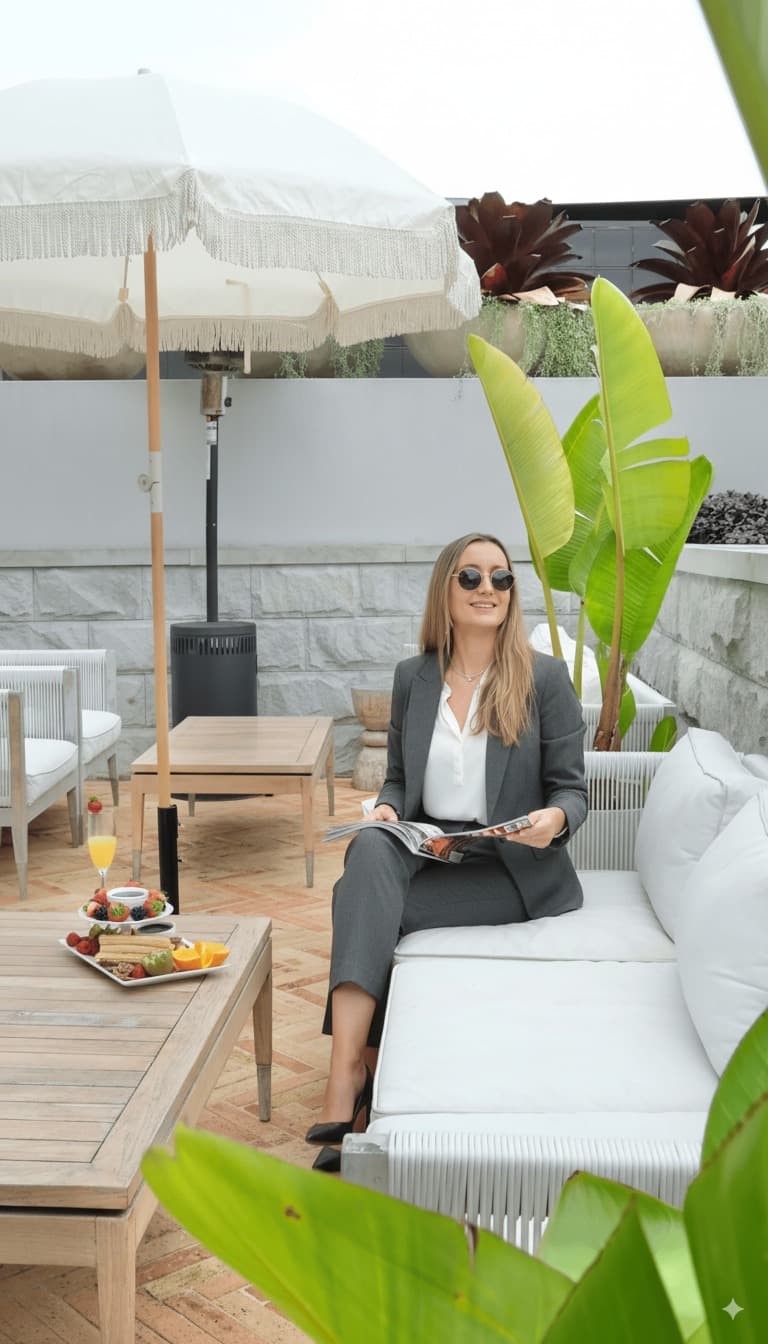
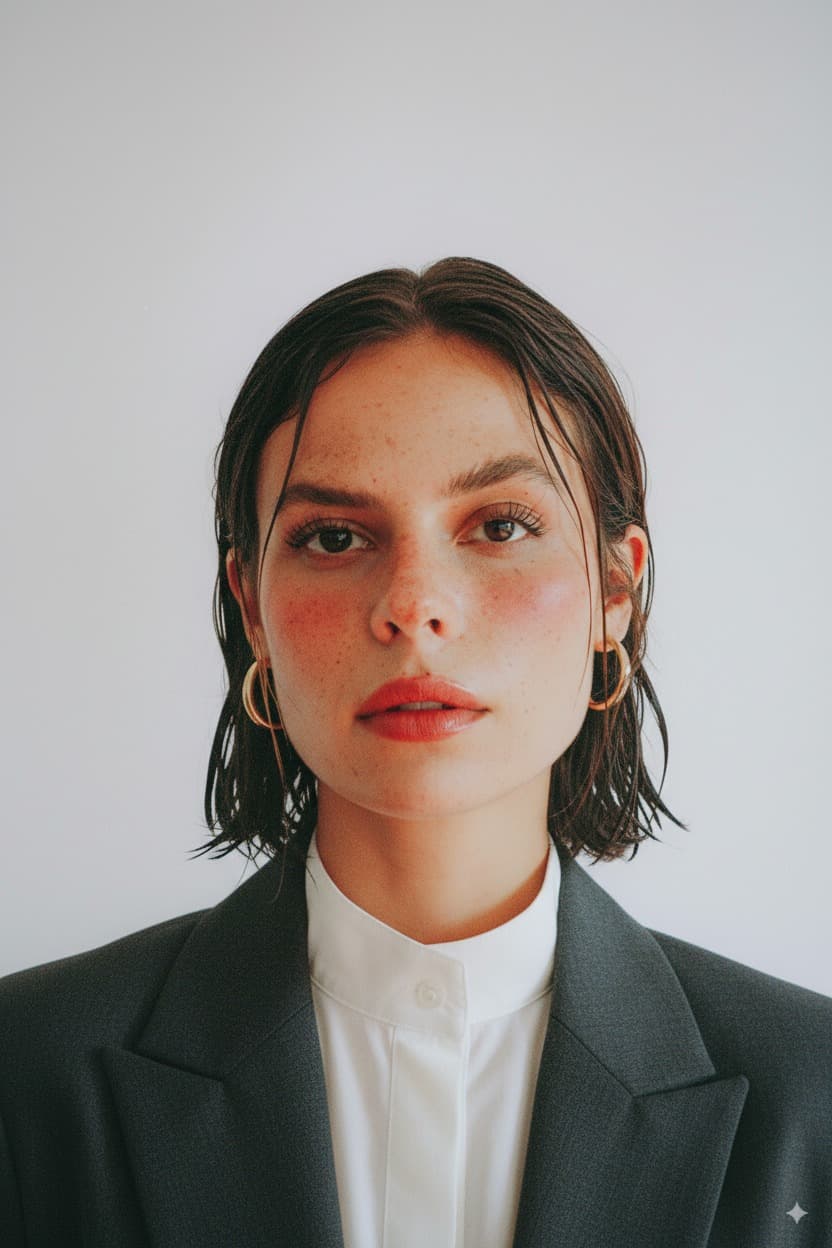
Before & After
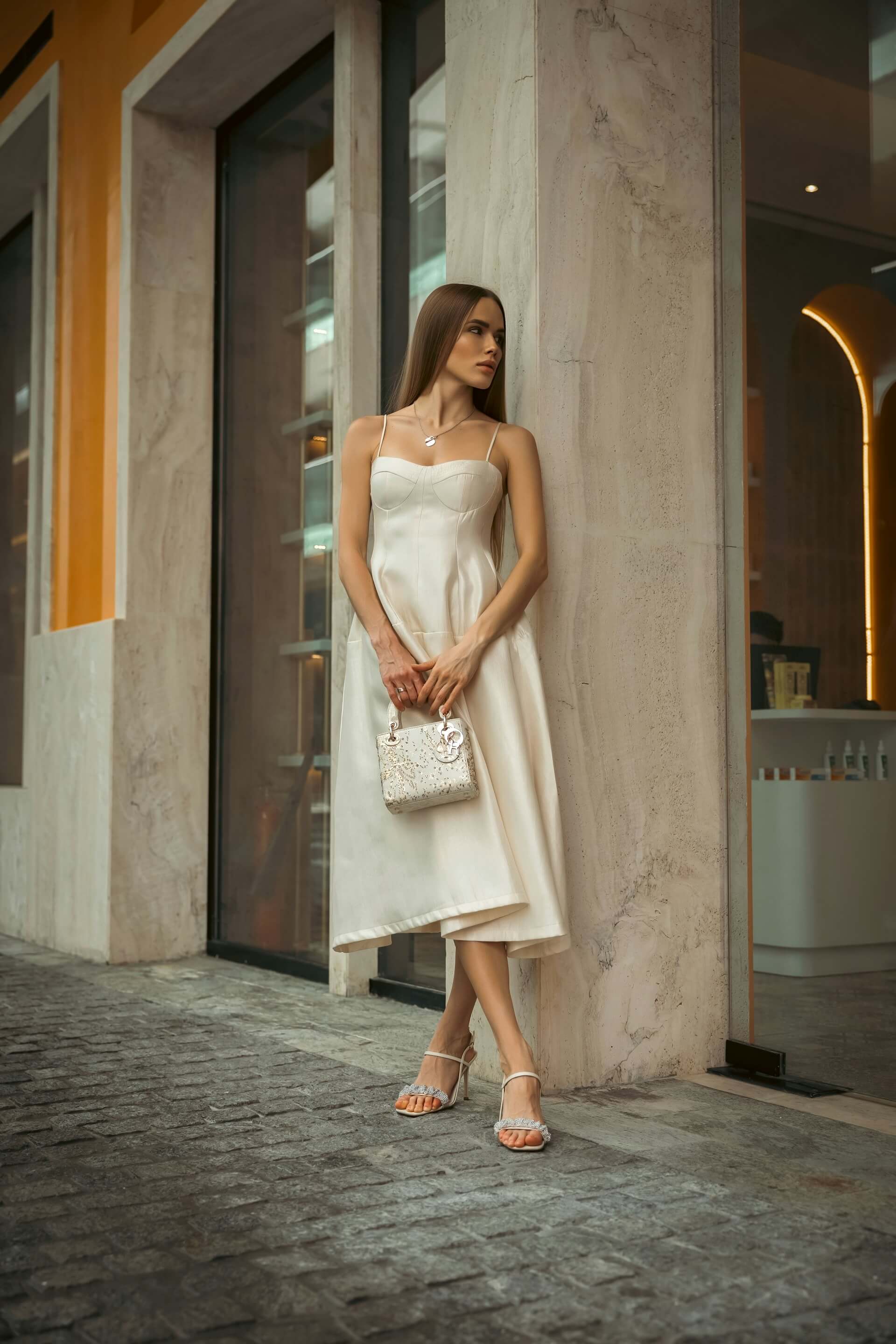
Before
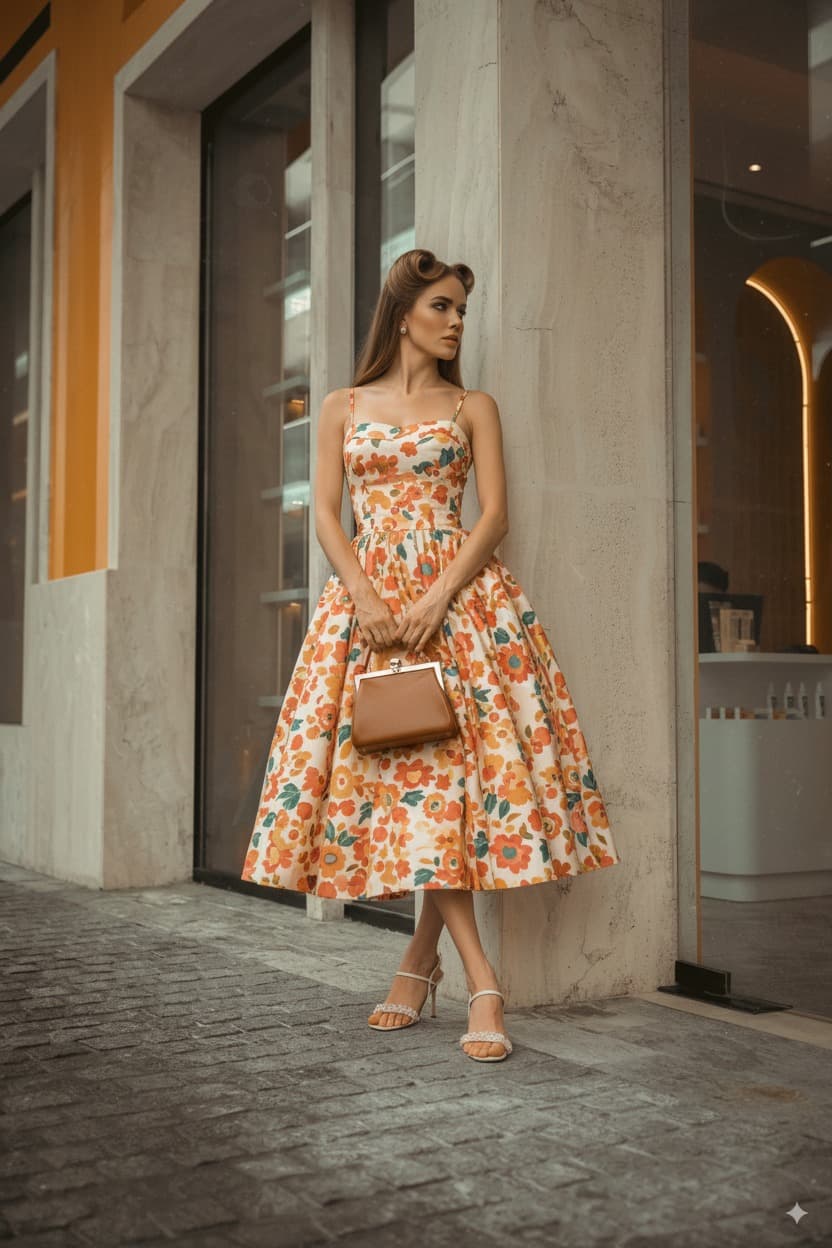
After
How to Use the 1950s Style Filter
Upload Photo
Upload any photo from your device
Select 1950s Style
Choose this style from the selector
Generate
Click generate and wait a few seconds
Download
Download your transformed image
About the 1950s Style Style
The 1950s represent a pivotal decade in visual culture, defined by post-war prosperity, the rise of consumer culture, and a distinctive aesthetic that continues to influence design, fashion, and photography today. Following the austerity of World War II and the rationing that persisted into the late 1940s, the 1950s erupted with color, optimism, and a celebration of domestic life and material abundance. Christian Dior's "New Look," introduced in 1947 but defining the entire 1950s silhouette, emphasized a nipped waist, full skirt, and feminine curves in deliberate contrast to the boxy, utilitarian clothing of the war years. Women's fashion of the decade included swing dresses with petticoats, pencil skirts paired with fitted blouses, and elegant day dresses accessorized with gloves, pearls, and structured handbags. Hairstyles were equally distinctive: victory rolls, the bouffant, and the poodle cut were maintained with generous applications of hairspray and pin curls. Men's fashion featured tailored suits with narrow lapels, high-waisted trousers, and casual wear like collared shirts and leather jackets popularized by James Dean and Marlon Brando. Photography of the era was dominated by the transition from black-and-white to color film, particularly Kodachrome and Ektachrome, which produced the warm, slightly saturated color palette now synonymous with the decade. Portrait photography of the 1950s had a distinctive quality: slightly soft focus, warm skin tones, and a gentle film grain that gave images a romantic, idealized quality. This aesthetic was shaped by photographers like Richard Avedon and Irving Penn, who elevated fashion and portrait photography to fine art.
Tips for Best Results
- ✓Full body or three-quarter shots showcase the era-appropriate clothing changes best.
- ✓Photos with warm or natural lighting complement the 1950s warm film tone aesthetic.
- ✓Clean, simple backgrounds work well for the classic mid-century portrait feel.
- ✓Smiling or cheerful expressions capture the optimistic spirit of the 1950s era.
Best Photo Types
Use Cases
- •Creating retro-themed portraits for vintage-inspired home decor
- •Making 1950s-style couple or family portraits as unique gifts
- •Producing mid-century aesthetic content for social media
- •Designing retro-themed invitations or event materials
Credits start at $3 for 10 images or 1 video
Frequently Asked Questions
Will the result be in color or black and white?
The 1950s style uses warm, slightly saturated color tones with a grainy film effect to evoke vintage 1950s photography. Unlike the 1920s style which is black and white, this filter captures the distinctive color palette of mid-century film photography.
What 1950s clothing will be added?
Women receive era-appropriate fashion like swing dresses, pencil skirts with fitted tops, and matching accessories. Men get tailored suits or casual collared shirts with high-waisted trousers. Hairstyles are changed to period styles like victory rolls and bouffant for women, or neat side-parted styles for men. Shoes are also updated to match.
Will my hairstyle be changed?
Yes, the AI applies 1950s-appropriate hairstyles to complete the vintage look. Women may receive victory rolls, bouffant styles, or other period-accurate looks, while men get neat side-parted or slicked styles typical of the era. Your facial features and expression remain unchanged.
Does the grainy film effect make the image look low quality?
No, the film grain is applied as an artistic effect that enhances the vintage aesthetic rather than degrading image quality. It replicates the organic texture of mid-century film photography, adding warmth and character to the image.
How is this different from the 1920s style?
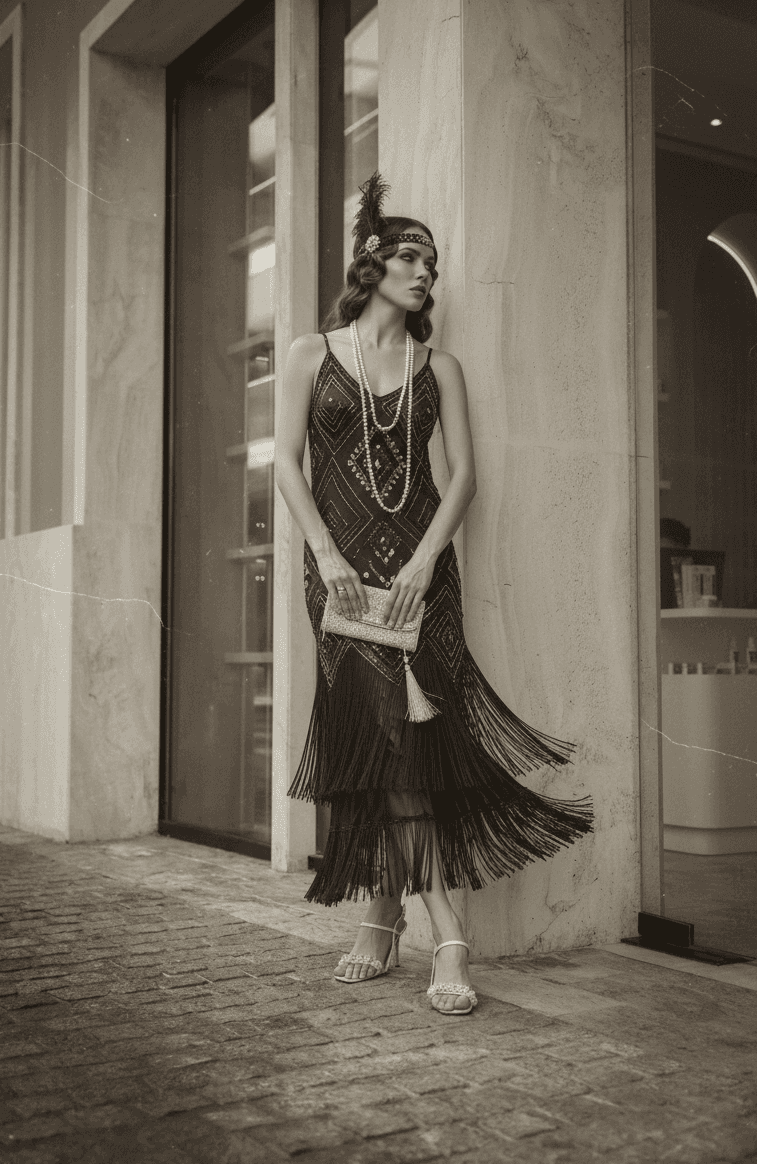
The 1950s style features mid-century fashion like swing dresses and high-waisted trousers, with warm saturated color tones and film grain. The 1920s style uses flapper-era fashion with fringe and beadwork, rendered in classic black-and-white photography with aging effects. They capture two very different decades and visual aesthetics.
Related Styles
Ready to transform your photos?
Credits start at $3 for 10 images or 1 video