
Convert Your Photo to Pixel Art with AI
Turn any photo into retro 8-bit pixel art with blocky textures and limited color palettes. AI-powered pixel art generator preserves your likeness in classic game style.
Upload your image
Customise (optional)
Sign in to generate images
Credits start at $3 for 10 images
Before & After
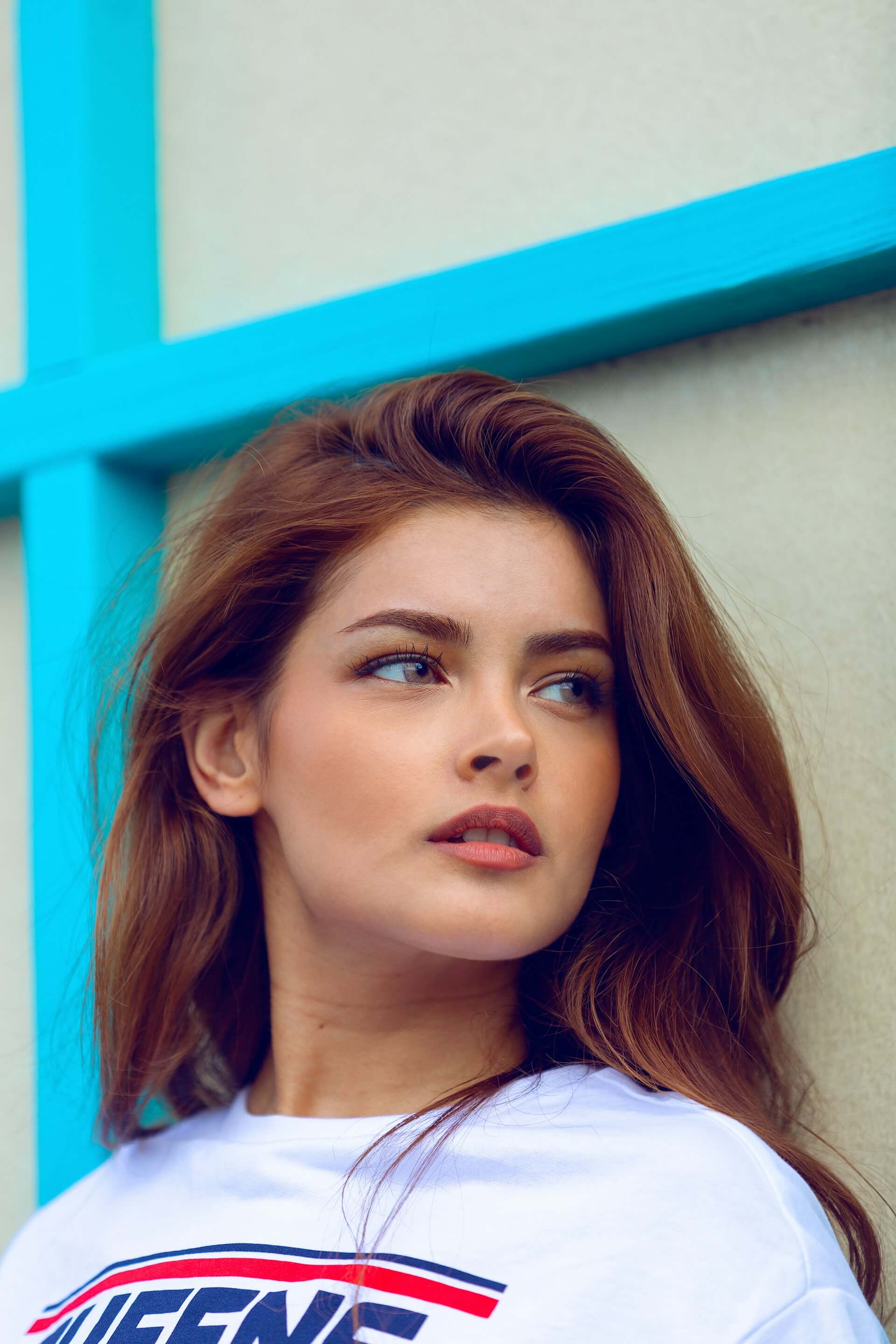
Before

After
How to Use the Pixel Art Filter
Upload Photo
Upload any photo from your device
Select Pixel Art
Choose this style from the selector
Generate
Click generate and wait a few seconds
Download
Download your transformed image
About the Pixel Art Style
Pixel art is both one of the oldest forms of digital art and one of the most enduring, born from the severe technical limitations of early computing and evolving into a deliberate aesthetic choice embraced by artists and game developers worldwide. The term "pixel art" itself was coined by Adele Goldberg and Robert Flegal of Xerox PARC in 1982, but the practice of creating images pixel by pixel dates back to the earliest computer displays of the 1950s and 60s. The golden age of pixel art coincided with the 8-bit and 16-bit eras of video gaming, roughly spanning from the late 1970s through the mid-1990s. Hardware constraints forced artists to work within extraordinarily tight limits: the Nintendo Entertainment System supported only 54 colors on screen at once, with sprites limited to just 4 colors each at 8x8 or 8x16 pixel sizes. Within these constraints, artists like Shigeru Miyamoto and his team at Nintendo, as well as pixel artists at Konami, Capcom, and Square, developed techniques of remarkable sophistication. They mastered dithering (alternating pixel colors to suggest additional hues), anti-aliasing (using intermediate-colored pixels to smooth edges), and selective detail (emphasizing the most readable features at tiny resolutions). The pixel art renaissance began in the 2000s and accelerated through the 2010s, driven by indie game developers who chose the aesthetic not from necessity but from love. Games like "Celeste," "Stardew Valley," and "Undertale" proved that pixel art could be contemporary, emotionally resonant, and commercially successful. Today, pixel art is recognized as a distinct art form with its own communities, competitions, and creative techniques.
Tips for Best Results
- ✓Photos with distinctive features like unique hairstyles or accessories translate well into the simplified pixel art style.
- ✓Front-facing shots produce the most recognizable pixel art characters.
- ✓Subjects wearing bold, solid-colored clothing create clearer pixel art results than complex patterns.
- ✓Simple or solid-colored backgrounds work best since the style uses minimal background detail.
Best Photo Types
Use Cases
- •Creating retro gaming-style avatars for online profiles
- •Making personalized pixel art portraits as nostalgic gifts for gamers
- •Designing pixel art characters for indie game development concepts
- •Producing retro-style art prints that celebrate classic gaming aesthetics
Credits start at $3 for 10 images or 1 video
Frequently Asked Questions
What resolution or level of detail will the pixel art have?
The AI creates pixel art in the style of classic 8-bit video games, using blocky pixel textures and a limited color palette. The result captures the essence of retro gaming visuals while preserving enough detail to make your facial features, hairstyle, and clothing recognizable.
Will my features still be recognizable in pixel art?
Yes. Despite the extreme simplification inherent to pixel art, the AI preserves key identifying features like your hairstyle, clothing style, and facial characteristics. The result is a pixel art character that is clearly based on you.
Does the background get pixelated too?
Yes, the background is simplified or pixelated to match the character style, creating a cohesive retro gaming look. Complex backgrounds are reduced to simple, complementary pixel art environments.
Can I request a specific pixel art style like 16-bit instead of 8-bit?
The filter is optimized for the classic 8-bit style. While the exact level of detail may vary slightly between photos, the overall aesthetic targets the blocky, limited-palette look of early gaming consoles like the NES and Game Boy era.
Is pixel art still relevant in modern design?
Absolutely. Pixel art has experienced a massive revival through indie games, digital art communities, and retro-inspired design. It is used in modern game development, social media avatars, brand design, and as a recognized art form with dedicated galleries and communities worldwide.
Related Styles

Ready to transform your photos?
Credits start at $3 for 10 images or 1 video